
3 min read
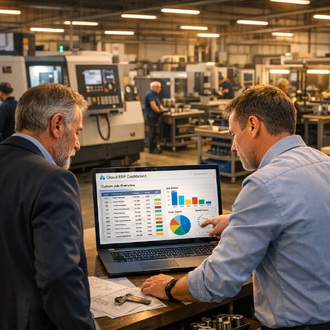
Yes, you've outgrown spreadsheets and basic tools.
Cloud ERP like Acumatica can change that for discrete and process manufacturers but only if it is shaped around high-mix work instead of forcing you into a high volume model. The aim is not to turn your shop into a cookie cutter line. It is to give people faster access to honest data about orders routings material and constraints so they can make better decisions hour by hour.
The first step is an honest inventory of how complex your mix really is. Map a few representative families from quote through shipment. Note where engineering changes hit late where shared resources create hidden constraints and where data moves between systems by hand. National groups that study manufacturing performance such as the National Association of Manufacturers highlight how data mastery and connected systems drive competitiveness.
For your plant that means tracing where information is missing or delayed today. From that map you can define what you need from cloud ERP. High mix plants benefit most from flexible item structures routings that can support alternates realistic capacity calendars and planning tools that understand small batches and frequent changeovers.
They also need a partner that respects plant realities. 3Value focuses on manufacturers that run complex mixes in discrete and process environments and combines ERP projects with managed IT so the backbone and the shop floor move together.
Use cloud ERP to quote schedule and buy smarter in high mix environments
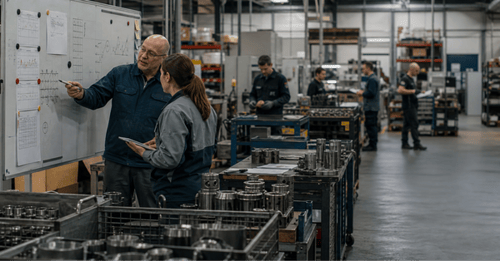
In a high-mix plant the pain shows up first in daily execution. Quoting teams scramble to price complex jobs with partial data. Schedulers rebuild plans whenever a rush order arrives or a machine goes down. Buyers rely on spreadsheets to guess which material to bring in for dozens of small orders.
Cloud ERP changes that picture when it becomes the backbone for customers parts routings and capacity instead of just an accounting tool. The first win usually comes in quoting. When customer masters item data and standard routings live in one system estimators are no longer hunting across spreadsheets or old jobs for clues. They can pull real labor and material history by product family and apply that insight to new work.
Industry resources on ERP explain how integrated systems give manufacturers faster access to accurate data which shortens quote cycles and improves win rates. For a high-mix shop this means fewer guesswork margins and more confidence when customers push for sharper pricing.
Scheduling is where many plants feel the biggest strain. With cloud ERP you can switch from static spreadsheets to a live schedule that reflects actual queues and constraints. Work centers can show finite capacity for lasers CNC families weld cells or packaging lines so planners see how each new job affects bottlenecks. Simple views that group work by due date customer and setup family make it easier to protect key promises without turning every change into a fire drill.
Because the schedule sits in the same system that handles orders and inventory supervisors can see at a glance which jobs have material ready and which need action before the shift. Purchasing also benefits from a single source of truth. Instead of guessing from a pile of small orders MRP and planning tools in cloud ERP can look across demand for all high mix jobs and suggest consolidated buys. That reduces last minute expedites and frees up cash that was tied in the wrong stock. Cloud ERP lets you apply those lessons daily by tightening the loop between orders material and capacity.
Phase cloud ERP in stages across products plants and teams
Even with a strong business case high-mix manufacturers cannot afford a disruptive big bang ERP project. A phased roadmap lets you modernize without putting customers at risk. The goal is to stabilize the backbone then widen scope in measured steps so planners and operators see benefits as you go.
Start by picking a pilot value stream where mix is high and pain is visible. That might be a cell that handles frequent engineering changes or a product family where late orders are common. Clean up customers parts bills of material and routings for that slice and stand up basic purchasing inventory and production flows in cloud ERP. Keep legacy tools running in the background during this phase but make the new system the primary way to release and track work.
Use simple dashboards so supervisors can compare old and new views of the same jobs and give feedback quickly. As the pilot stabilizes extend ERP across more cells and product families. At each step confirm that networks shop floor PCs and label printers are reliable so screens do not slow shifts.
Associations focused on manufacturing technology stress that digital projects succeed when plants invest in stable infrastructure and data collection. Working with a partner that combines ERP and managed IT makes it easier to keep those layers aligned. Later phases can add more advanced features that matter in high mix environments.
Finite scheduling at constraints deeper quality workflows and light machine monitoring can all ride on the same backbone once teams trust the data. Shop floor data collection can start with simple job start and completion scans at key cells then grow into richer data where it clearly helps decisions. Throughout keep the roadmap tied to plant outcomes such as fewer late orders less overtime or faster response to engineering changes. When operators and supervisors see that each step makes their days easier they become advocates rather than reluctant users.
3Value helps high mix low volume manufacturers follow this path by pairing Acumatica Cloud ERP with managed services built for plant environments. That combination gives you a single system of record plus networks devices and security that keep it running when shifts are busiest. If you want cloud ERP that finally fits your high mix reality, contact 3Value for more information.